

Charging Tips & Insights

Charger Efficiency
What Is GaN Technology? Why It Matters for Fast Charging
Discover what GaN (gallium nitride) technology is, how it compares with traditional silicon chargers, and why it enables smaller, more efficient USB-C chargers. Learn about fast charging, heat, saf...
Android Auto
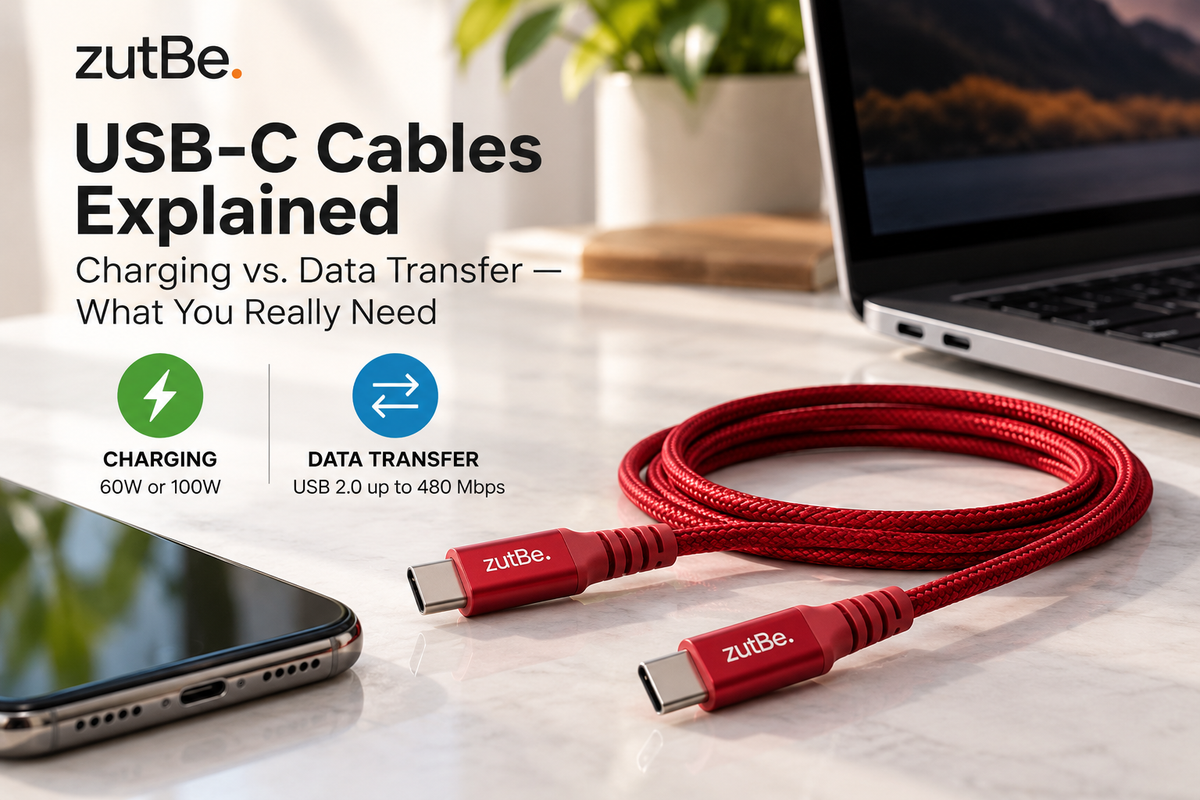
USB-C Cables Explained: Charging vs. Data Transfer — What You Really Need
Not all USB-C cables are created equal. Learn the difference between charging wattage and data-transfer speed, why USB 2.0 is sufficient for many everyday tasks—including Apple CarPlay, Android Aut...

Charger Safety
Volts, Amps & Watts Explained: How to Read Your Phone Charger
What do volts, amps, and watts mean on your phone charger? Learn how to read charger specifications, calculate wattage, understand USB-C fast charging, and discover how power strips, cables, and ...

Charger Safety
What Do the Symbols on Your Phone Charger Really Mean?
What do the symbols on your phone charger really mean? Learn the difference between UL and ETL safety certifications, CE and FCC markings, and common electrical symbols. Discover why more symbols d...
Charger Safety
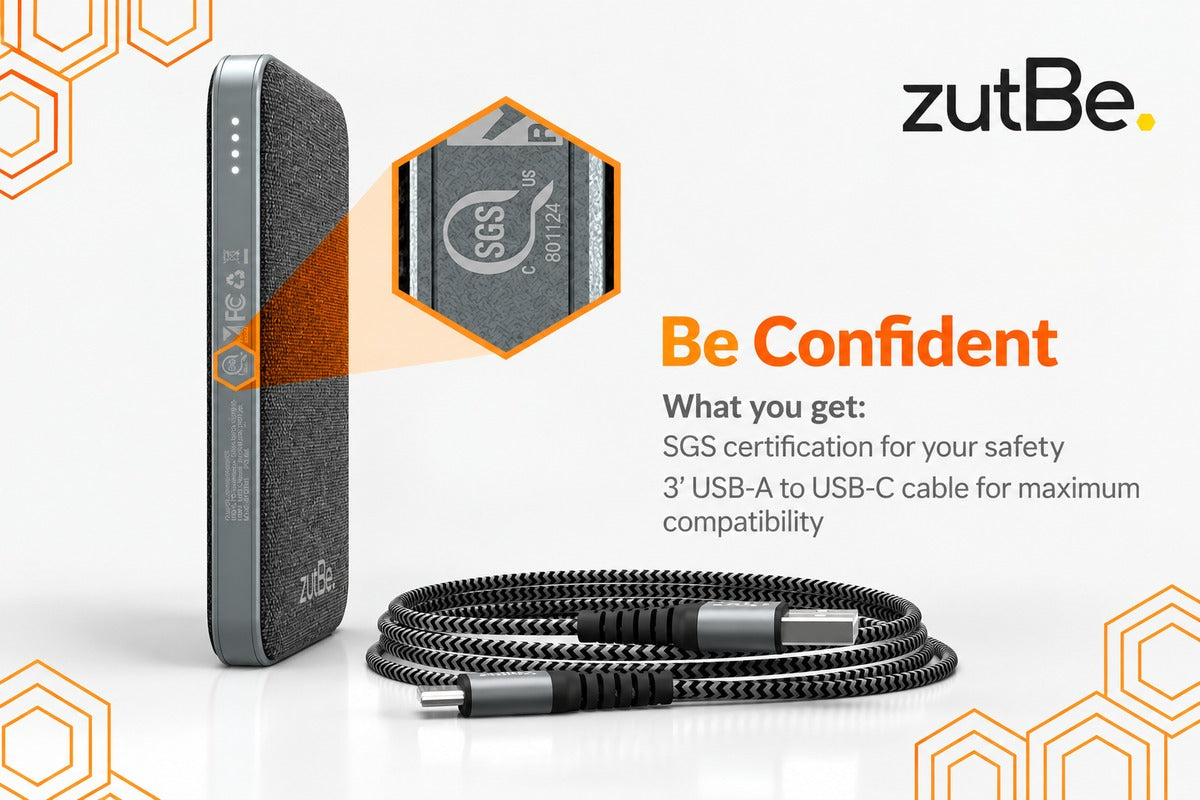
Why Charger Safety Certifications Matter: UL, ETL & SGS Explained
Learn the differences between UL, ETL, and SGS safety certifications, why charger testing matters, and how to verify that a phone charger or power bank meets recognized safety standards.

Battery Health
How a Power Bank Can Extend Your Phone's Battery Life and Keep an Older Phone Going
A power bank does more than keep your phone charged while you're on the go. It can also help extend the useful life of an older smartphone, potentially delaying a battery replacement or costly upgr...

Charging Cables
Why USB-C Changed Everything: The Universal Charging Revolution
USB-C has transformed how we charge and connect our devices. Discover why this small, reversible connector became an industry standard, how USB Power Delivery makes charging more convenient, and ...